PortfolioCase study
InHouse
A digital twin of a real home, built from nothing but its address. People try layouts, swap in real products and see the room furnished before anything ships.
- Our role
- Founded, building now
- Since
- 2021
- Based
- New York
- Category
- Spatial commerce
- Input
- One address
- Live at
- tryinhouse.com

01The problem
Context stops at the front door.
Commerce knows a shopper's age, income and what they looked at this morning. It has never seen the room the sofa is going into. Every product page, ad and listing for furniture is a guess about a space it has no access to.
So every purchase comes down to three questions nobody can answer at checkout:
- 01Does it fit.
- 02Will I like it.
- 03Will it look right in my light.
Unanswered, people either don't buy, or buy and send it back. Home is the one category where context is the product, and the one that never got it.
02The insight
We learned it furnishing other people's homes.
COVID had us bouncing between Airbnbs, and every one had the same problem: tired furniture and listing photos that lied. So we started furnishing for hosts, thousands of them. Then people who didn't run an Airbnb started asking too.
The insight flipped. This was never a short-term rental tool. Everyone furnishing a real home was guessing, and the fix was to give the decision the one thing it was missing: the actual room.
03What we built
A digital twin, built from the address.
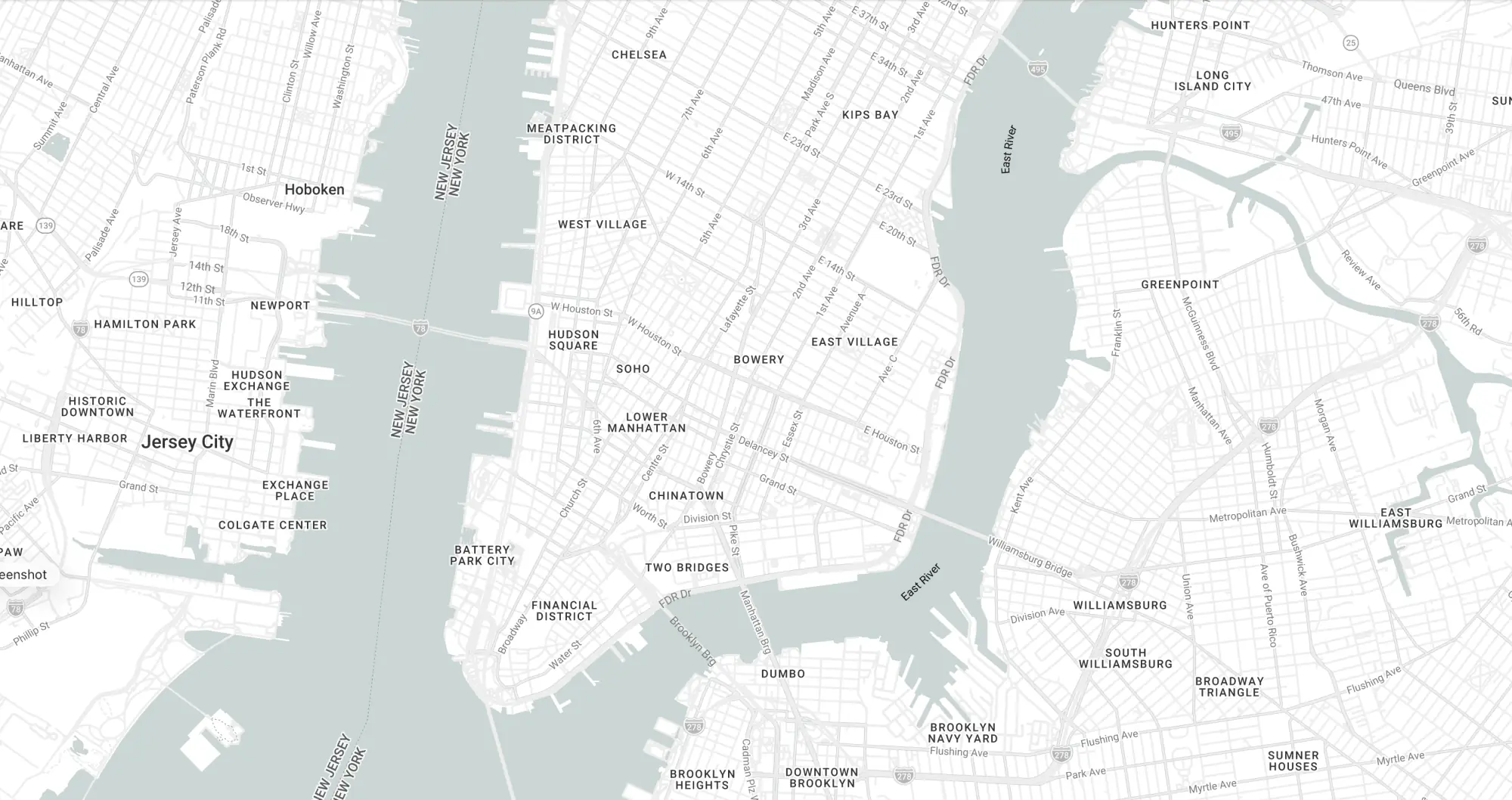
InHouse needs one input. From an address it finds the building and its floor plan, mapped to true dimensions, and delivers a living, interactive twin of the home in under 24 hours. No app to download, no scan, no tape measure.
Before the twin is built, residents set a budget, a layout and a style, so every option that follows is already filtered to both.
 01 · Address
 02 · Preferences
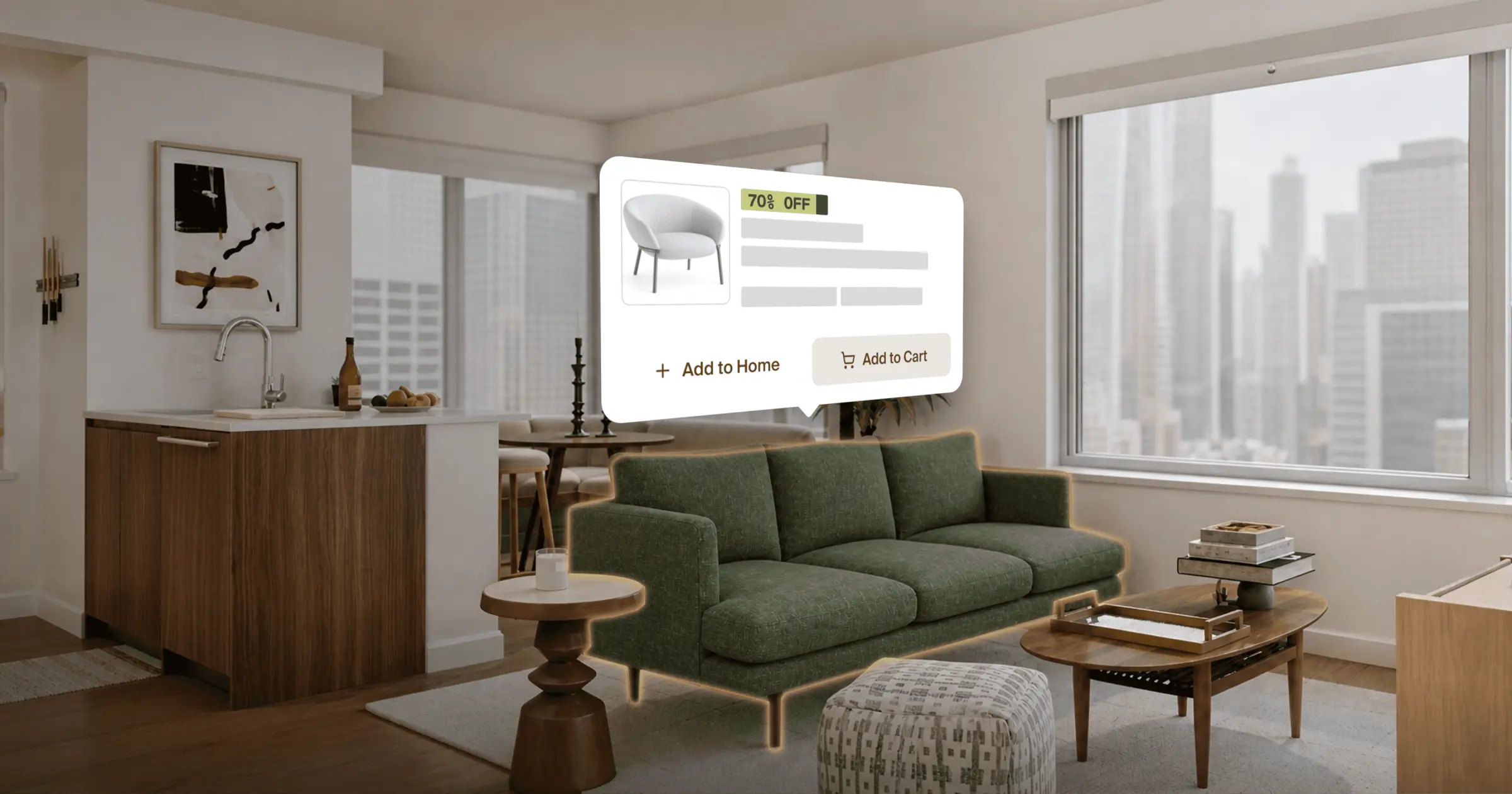
Inside the twin, every piece is a real product at a real price from brands people already know, at up to 70% off for members. Swap it and the room updates. Like it and it can be bought for that exact spot.
04Same room
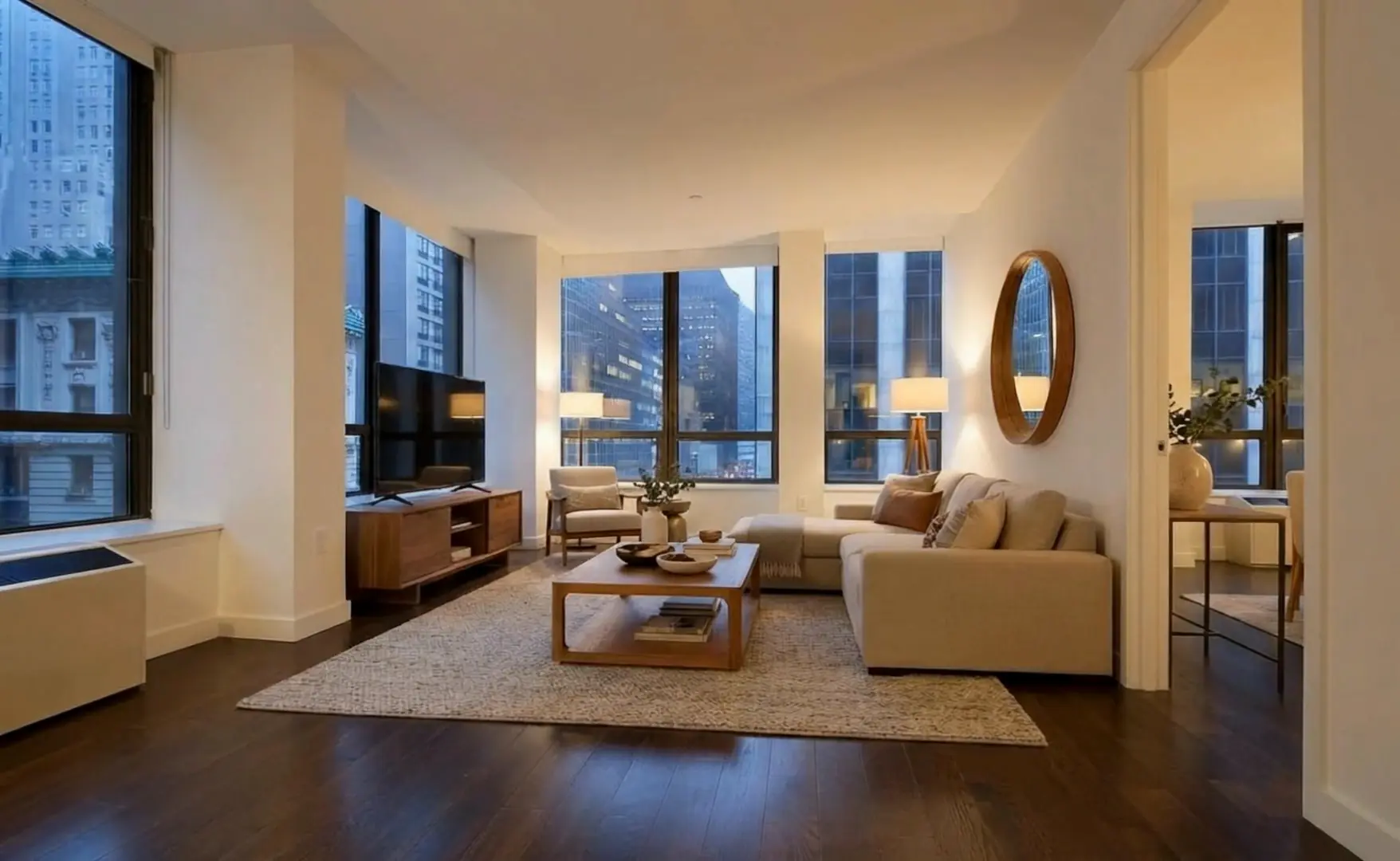
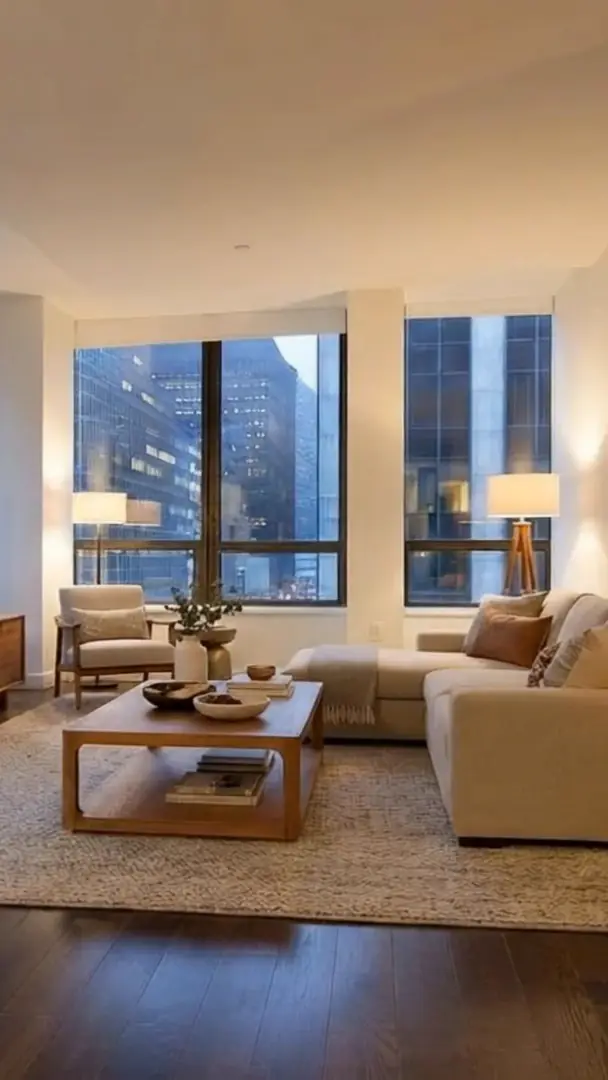
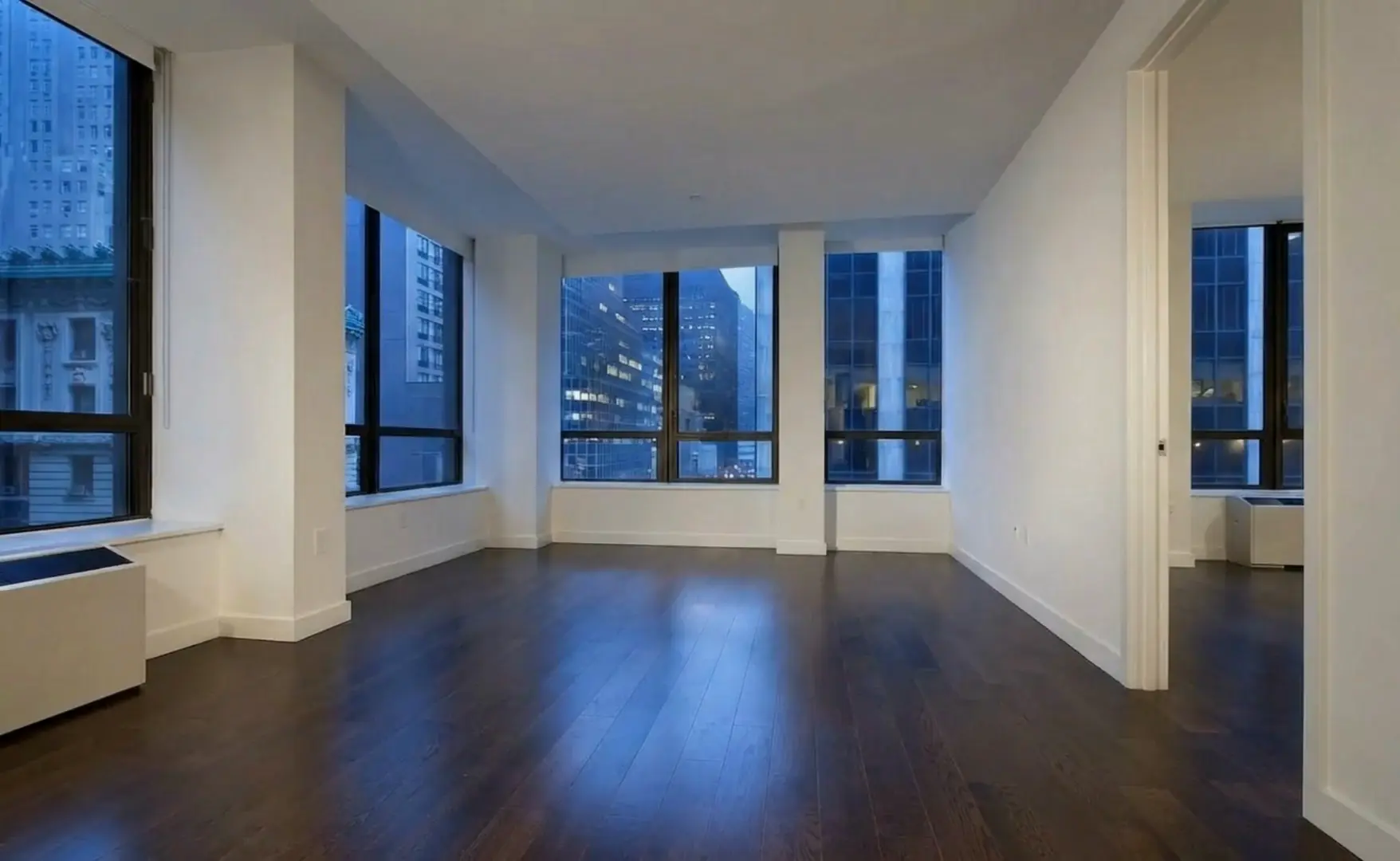
See it furnished before anything ships.
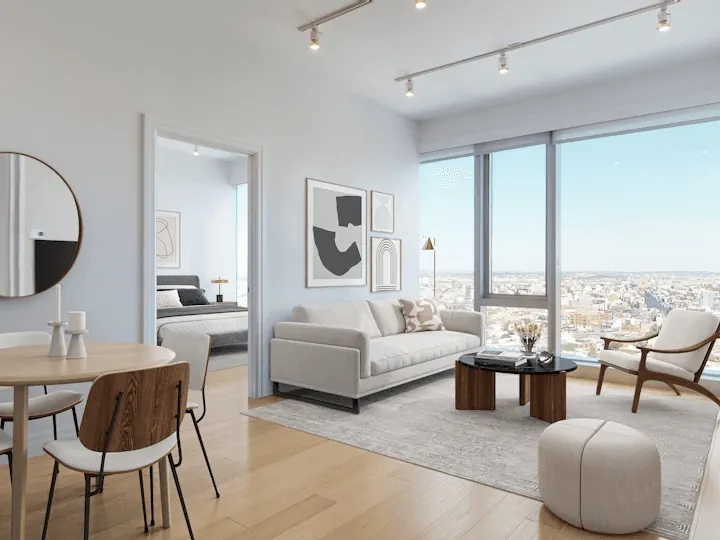
Both views come from the same camera. On one side, the apartment as it stands. On the other, the same room once it has been designed in the twin.
05Inside the twin
It's not a picture of a room. It's a model of the room.
AI room generators invent a space that doesn't exist. The twin is the real one, and it persists, so every change is a decision about an actual wall, window and floor.
Swap any product
Every piece has designer-picked alternatives that fit the same spot. Tap one and the room re-renders around it.
Apply a curated style
Whole looks put together by professional designers, applied to the actual room in one move.
Try another layout
Alternate arrangements for the same floor plan, so flow gets tested before anything gets carried upstairs.
Bring your own stuff
Mom's dresser, a Pinterest nightstand, the Wayfair rug. What people already own goes into the twin too.
06How it landed
“The fusion of technology, discounts, and turnkey design results in a premium at-home experience for renters, with a lot less stress.”
Also covered byFox 5 · MarketWatch · Yahoo · The Globe and Mail · Charlotte Observer · The Escape Home
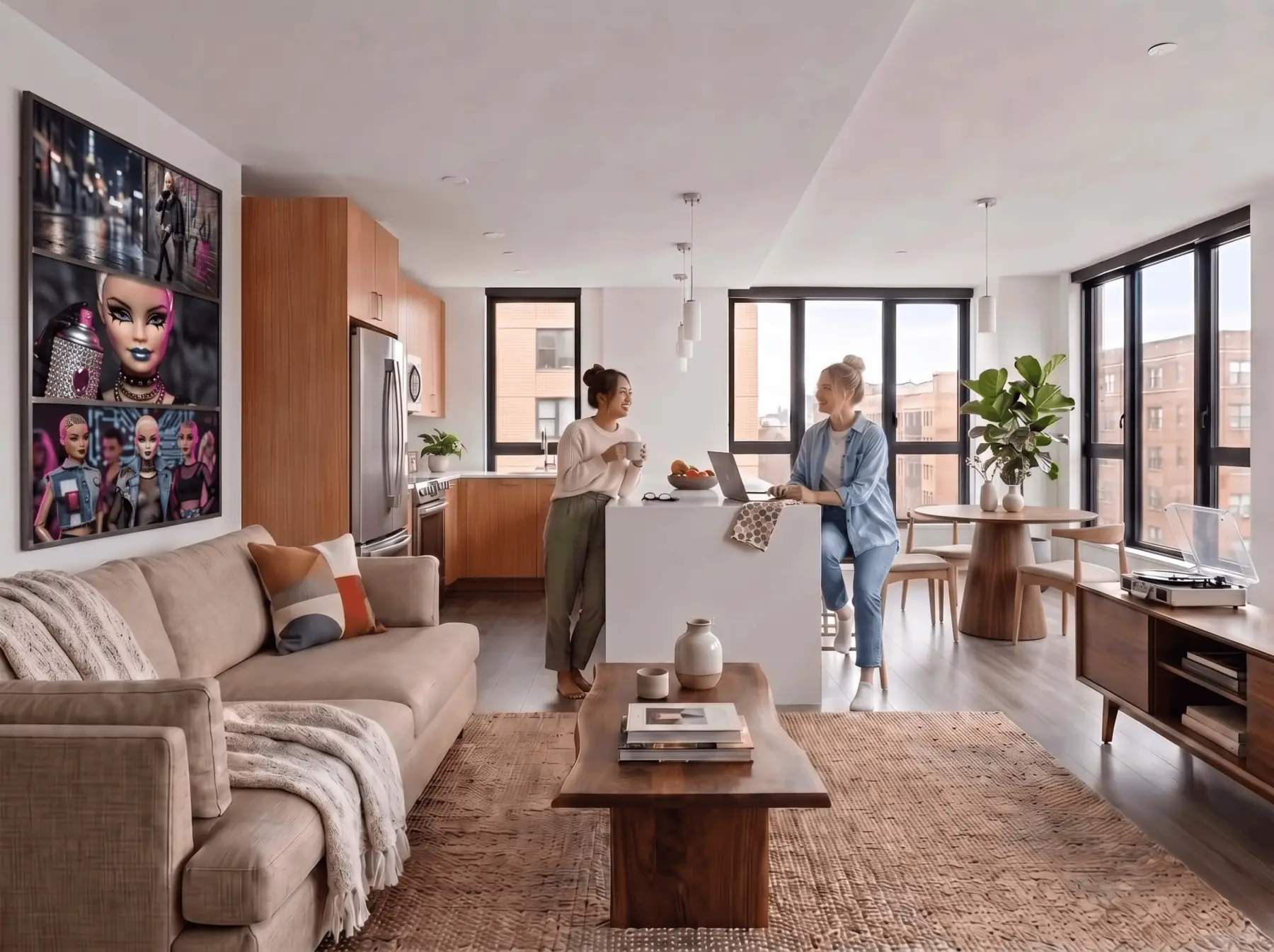
Residents describe the same thing in their own words: they stopped guessing.
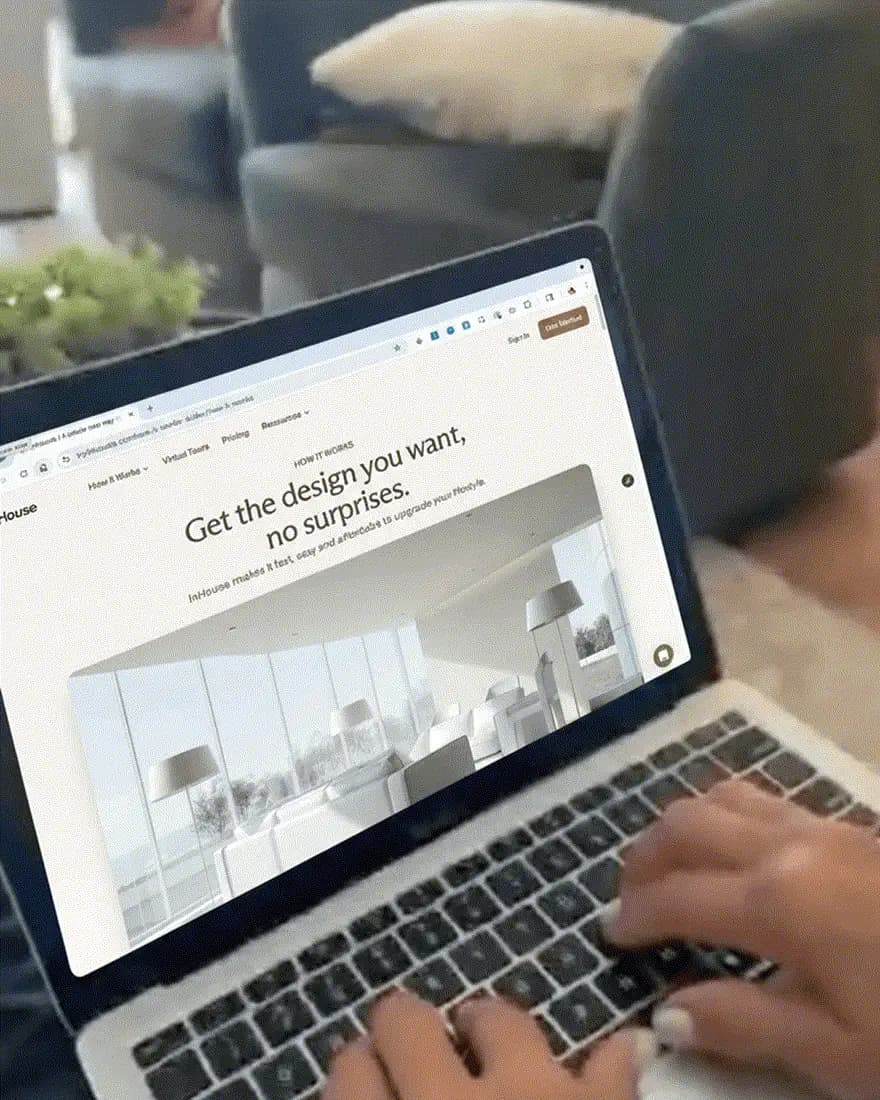
“Planning my new place was effortless. Visualizing every layout ahead of time gave me complete confidence in what to buy.”
Maia, Portland, OR
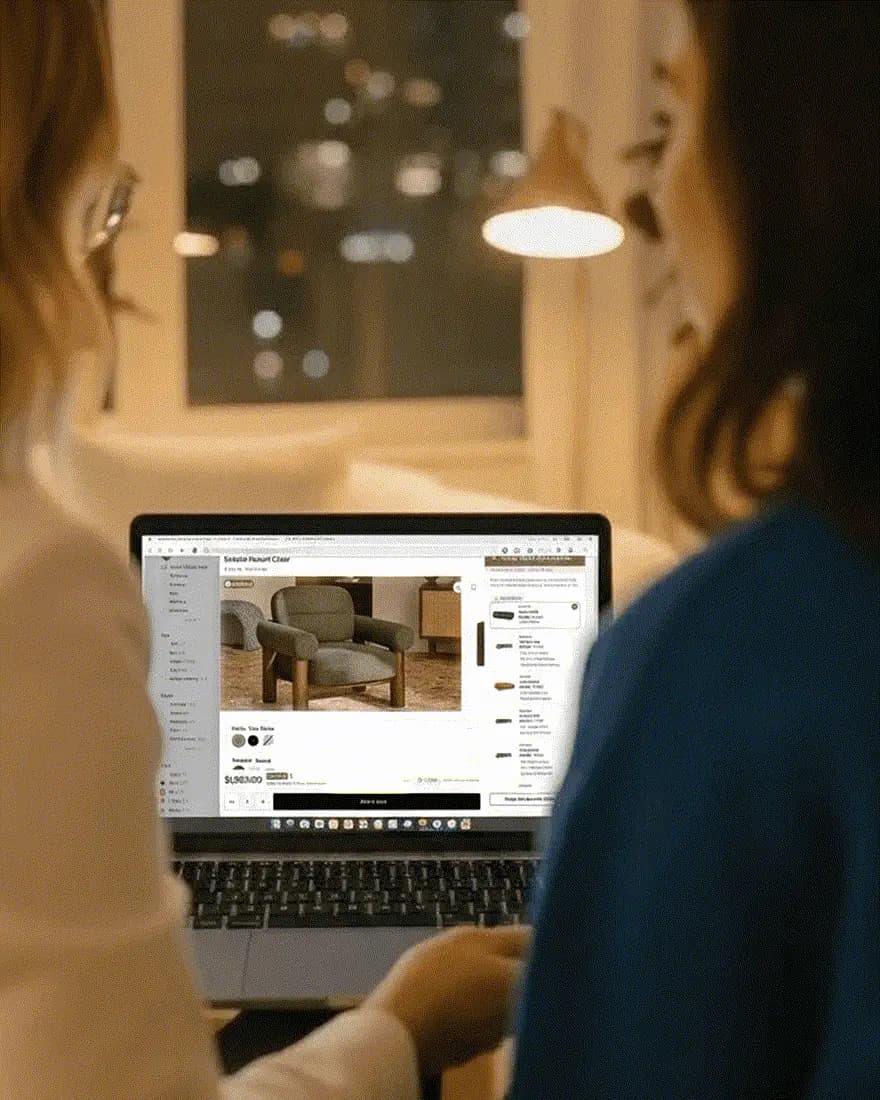
“Finally nailed the style I've always admired but could never pull off.”
Helen, Madison, WI
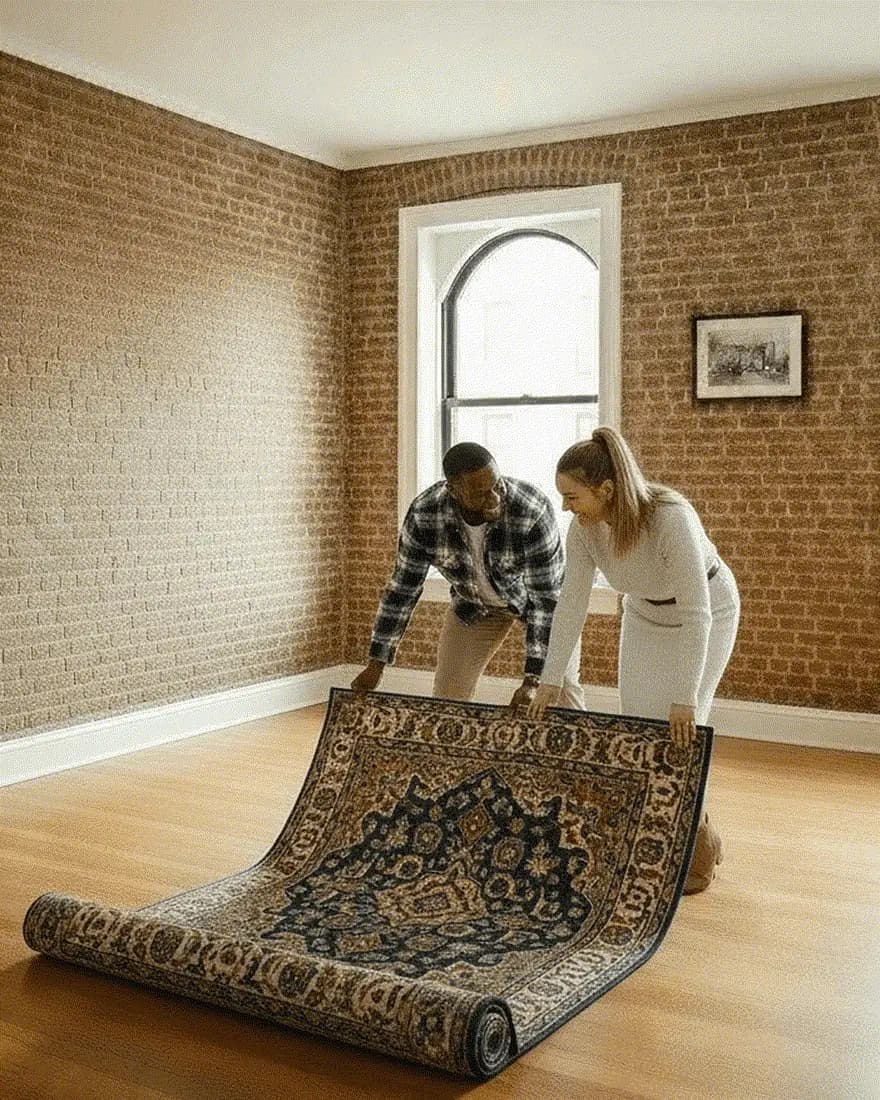
“InHouse let us try layouts we never would've considered.”
Mara and Weston, Richmond, VA

“I'm terrible at visualizing spaces, but InHouse showed exactly how everything would fit.”
Grace, Jersey City, NJ
- The Alyn 3 bed · 4.5 bath · 1,800 sq ft
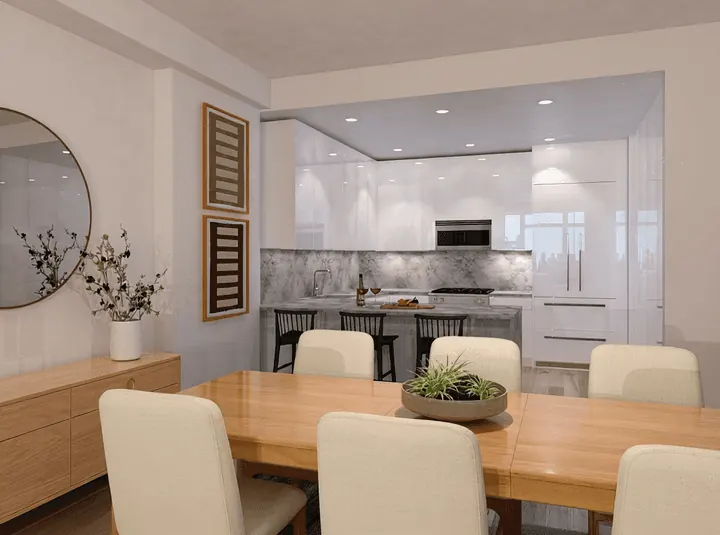
- The Maybury 2 bed · 2 bath · 1,000 sq ft
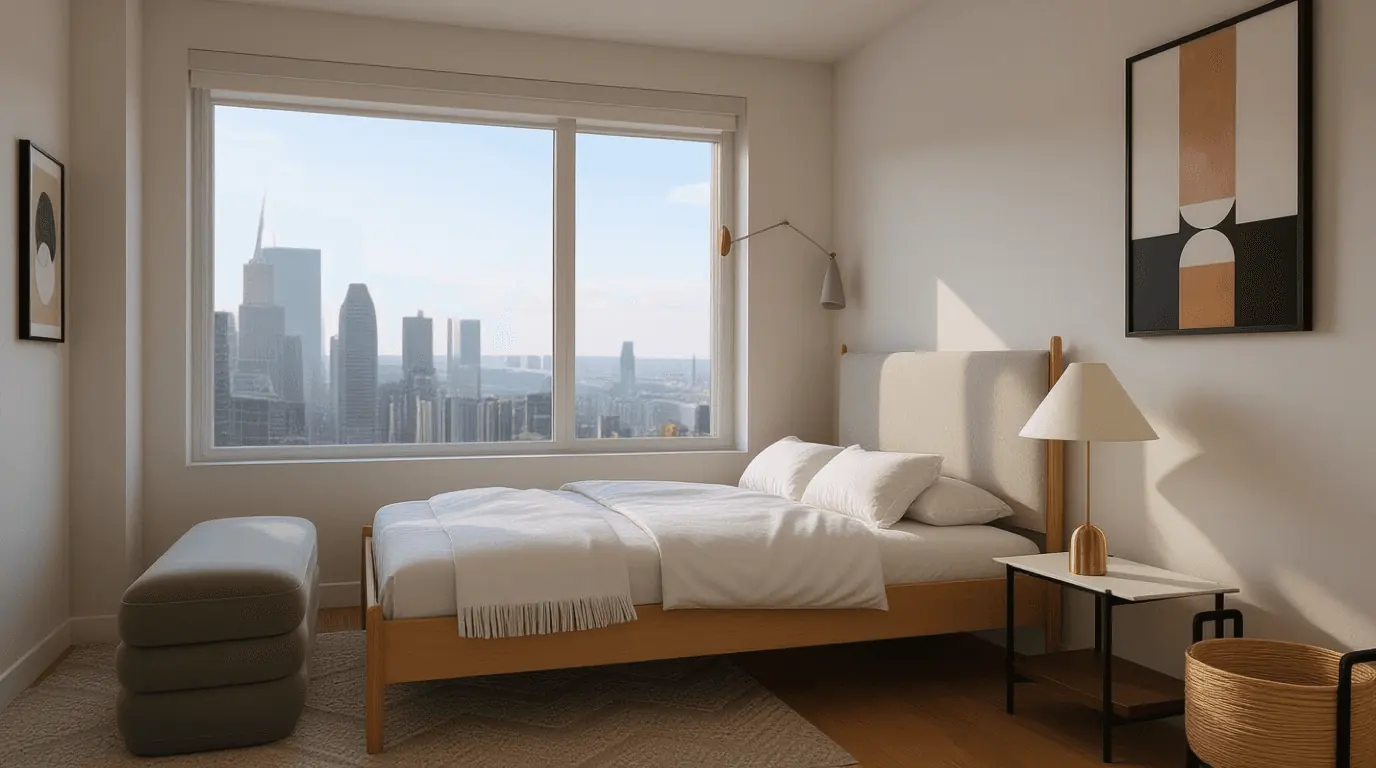
- One South First Alcove studio · 1 bath · 600 sq ft
07What's next
The twin is still there tomorrow.
A twin isn't a one-time render. The next room, the next move and the next purchase all happen in the same model, already measured. That is what we are building toward: a home that stays in context long after move-in day.